NHS Pay Crisis 2025: Inside the Strike Threat and Wage Erosion Backlash
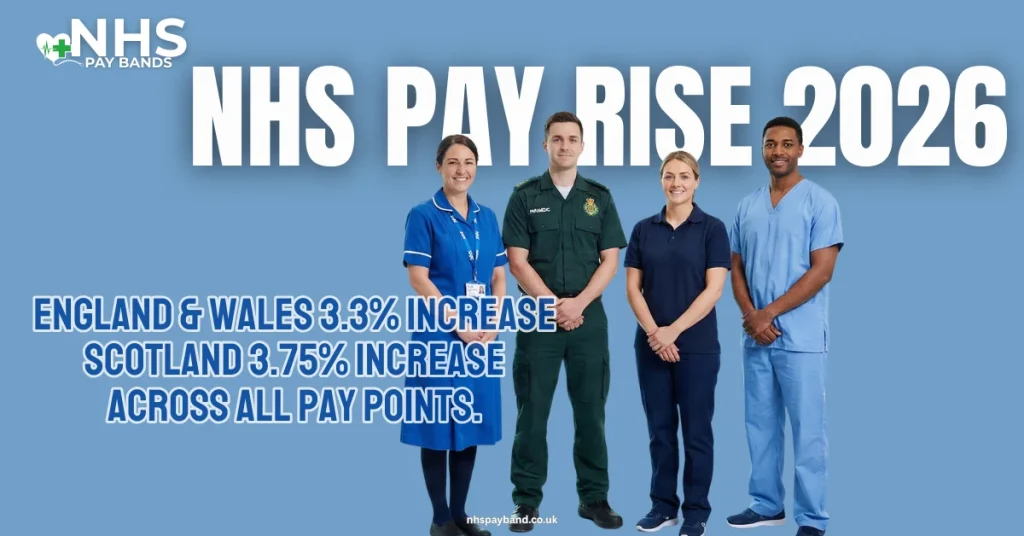
In 2025, the NHS is facing its most volatile period in over a decade. While the government has implemented a 3.6% pay uplift for Agenda for Change (AfC) staff and 5.4% for doctors, a wave of dissatisfaction is surging across the health sector. Frontline workers argue these settlements fall short after more than a decade of pay stagnation, career bottlenecks and inflationary pressures. The result? Growing threats of strike action across multiple disciplines.

Mass Rejection of the 2025/26 Pay Award
Royal College of Nursing (RCN): 91% Say No
In July 2025, a historic 91% of Royal College of Nursing members voted to reject the 3.6% offer, citing that Band 5 nurse salaries are now £8,000 below what they would be had wages kept pace with inflation since 2010 1. RCN General Secretary Pat Cullen warned that without structural changes, industrial action is imminent.
Resident Doctors: The 29% Pay Restoration Standoff
Resident doctors formerly junior doctors have been offered a 5.4% rise for 2025. However, the British Medical Association (BMA) continues to demand a 29% increase to restore pay to pre-2008 levels 2. Despite prior multi year uplifts, union leaders argue real term losses still exceed 25%.
GPs and Allied Staff: Strike Discussions Underway
General Practitioners are expected to ballot for strike action in autumn 2025. GMB (General, Muncipal, Boilermakers) and Unison (Union of Public Sector Employees and National and Local Government Officers Association) have also seen their members ranging from ambulance staff to admin workers, overwhelmingly reject the current settlement 3.
Agenda for Change: Calls for Reform, Not Just Rises
The Agenda for Change framework, launched in 2004, governs the pay of over 1.2 million NHS staff. But unions now argue that AfC is outdated, inflexible, and no longer reflects modern NHS roles or career expectations 4.
Critical Issues Raised:
NHS Employers have acknowledged these concerns and a Department of Health review is underway, though no formal policy shift has been announced. For a complete breakdown of salary ranges and career progression, you can use our NHS Pay Band Calculator to estimate your earnings based on band and experience level.
Government Response: Holding the Line on Pay
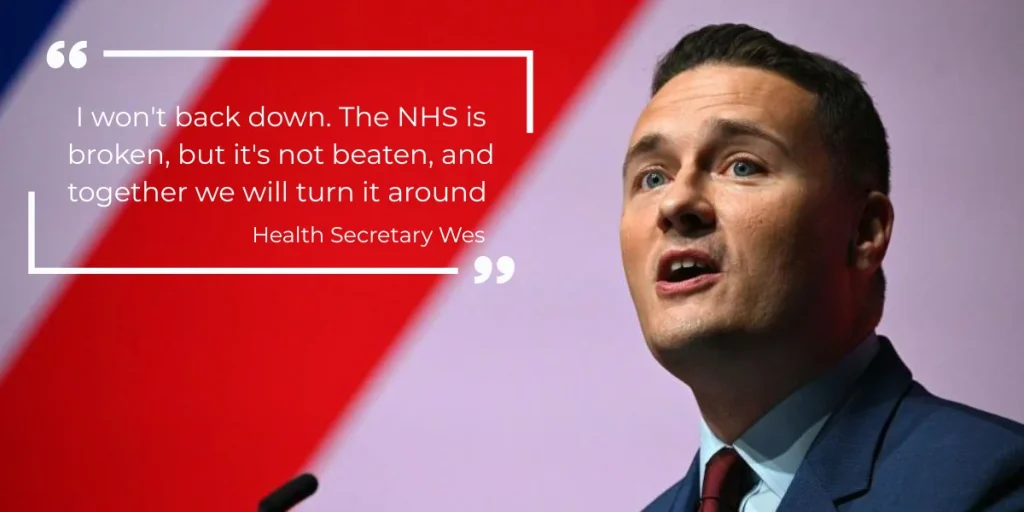
Health Secretary Wes Streeting has remained firm: “There is no more money.” While the Treasury has blocked additional pay increases, the government has proposed alternative reforms:
While welcomed in part, union leaders insist these measures don’t address the root problem, real pay falling year on year 5.
Impact: Burnout, Backlogs, and Brain Drain
The ongoing disputes are already affecting patient care and workforce morale:
What’s Ahead: Escalation Likely
Unions have issued formal notice of potential industrial action ballots in September 2025. If no agreement is reached:
Experts warn that if real pay restoration is not on the table by October/ December 2025, the NHS could see cross sector strikes comparable to the 1982 nurses walkout.
References
1. Royal College of Nursing. Member ballot statement, July 2025.
2. British Medical Association. Resident doctors' pay campaign overview, 2025.
3. GMB & Unison joint press release, rejection of 2025/26 NHS pay offer.
4. NHS Employers. Agenda for Change Review Briefing, May 2025.
5. Department of Health. Non-pay benefits consultation document, June 2025.
6. NHS England Performance Dashboard, Q2 2025.
7. Nursing and Midwifery Council migration trends report, July 2025.